

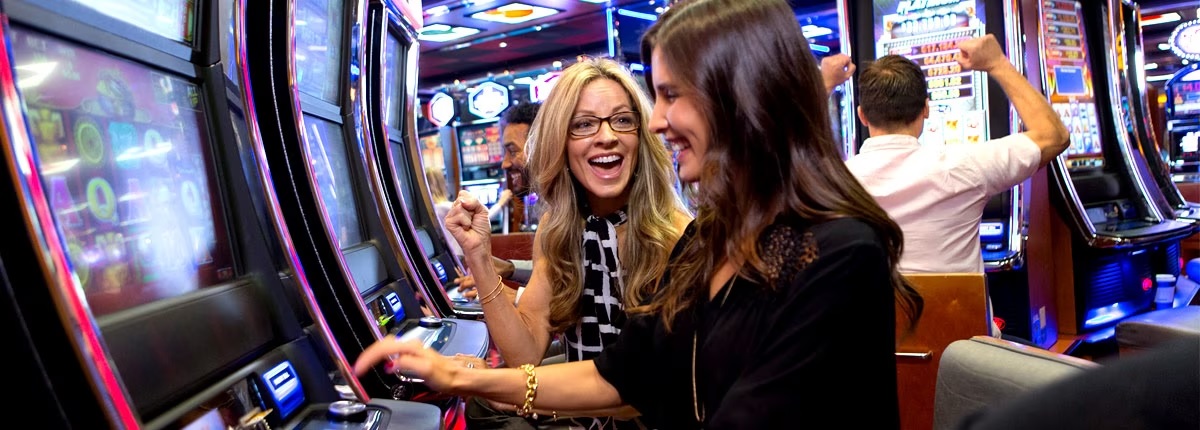
Introduction: The Glittering Charm of the Reels
Slot machines, often referred to simply as “slots,” are iconic symbols of the modern casino. Their bright lights, catchy soundtracks, and spinning reels have long captivated gamblers across the globe. But beyond their colorful façades lies a complex world of technology, psychology, and entertainment design. From mechanical one-armed bandits of the early 20th century to the immersive digital video slots of today, the journey of the slot machine is both fascinating and reflective of broader cultural and technological shifts. These games are no longer just about pulling a lever and hoping for luck—they are now sophisticated entertainment experiences that combine chance, strategy, and art.
The Origins of Slot Machines: A Look Back in Time
The first slot machine, known as the Liberty Bell, was invented in 1895 by Charles Fey in San Francisco. Featuring three spinning reels and five symbols—horseshoes, diamonds, spades, hearts, and the Liberty Bell—it paid out 50 cents when three bells lined up. It quickly became a sensation in bars and saloons.
As technology advanced, so did the design and complexity of these machines. In the 1960s, electromechanical slots replaced the purely mechanical versions, allowing for larger jackpots and more intricate gameplay. By the 1980s, video slot machines emerged, replacing physical reels with screens and opening the door to themed games, bonus features, and animated sequences.
The arrival of online casinos in the late 1990s took slots into the digital age. Today, millions of players worldwide access slot games via mobile apps and websites, enjoying a nearly infinite variety of themes and styles.
How Slots Work: Mechanics Behind the Magic
Despite their flashy appearance, slot machines operate on principles of randomness and probability. Modern machines use a system known as a Random Number Generator (RNG) to ensure each spin is entirely independent and unpredictable.
Key Components of Slot Machines:
-
Reels: Traditionally three or five, reels spin and stop to display combinations of symbols.
-
Paylines: These are the patterns across the reels where matching symbols must appear to trigger a win.
-
RNG (Random Number Generator): The digital brain that determines the outcome of each spin.
-
Payout Percentage (RTP): Return to Player is the average amount a game is programmed to return over time, usually between 90–98%.
-
Volatility: Indicates how often and how much a slot pays. High volatility slots pay less frequently but offer larger wins; low volatility slots pay smaller amounts more often.
Understanding these elements helps demystify the game and reveals that while luck plays the leading role, some strategic decisions—like choosing the right machine or bankroll management—can enhance the overall experience.
Themes and Features: From Classic Fruit to Epic Adventures
One of the most compelling aspects of modern slot machines is their thematic creativity. Today’s games are not just about lining up cherries and sevens—they tell stories, feature cinematic animations, and immerse players in fantasy worlds.
Popular Slot Themes Include:
-
Classic Fruit Machines: Nostalgic games featuring traditional symbols like BARs, bells, and fruit.
-
Adventure Slots: Inspired by mythology, history, or treasure hunts—often rich in narrative and bonus games.
-
Branded Slots: Games based on movies, TV shows, and celebrities, offering familiar characters and soundtracks.
-
Fantasy and Sci-Fi: Immersive worlds with magic, aliens, and time travel elements.
Common Bonus Features:
-
Free spins
-
Wild and scatter symbols
-
Multipliers
-
Expanding reels or symbols
-
Interactive mini-games
These features not only make gameplay more engaging but also provide additional opportunities for rewards, keeping players entertained and invested.
The Psychology of Slot Machines: Why We Keep Spinning
Slot machines are meticulously designed to be appealing and addictive. The combination of visual effects, sound cues, and intermittent rewards creates a powerful loop of anticipation and gratification.
Key Psychological Triggers:
-
Near Misses: Just missing a jackpot can feel like you’re close to winning, encouraging continued play.
-
Sensory Feedback: Lights, sounds, and vibrations enhance the thrill of each spin.
-
Random Rewards: Intermittent reinforcement—a win after several losses—keeps the brain engaged and hopeful.
-
Illusion of Control: Allowing players to choose paylines or press buttons gives a false sense of influence over outcomes.
This intricate design ensures that slots are not only games of chance but also carefully crafted psychological experiences that keep players emotionally invested.
Online Slots: A New Era of Convenience and Variety
The shift from physical slot machines to online platforms has dramatically expanded the accessibility and diversity of the game. With thousands of titles available at the tap of a screen, players now enjoy more variety than ever before.
Advantages of Online Slots:
-
24/7 Access: Play anytime, anywhere from your mobile or desktop.
-
Free Play Options: Many platforms offer demo versions for practice without risking money.
-
Progressive Jackpots: Online networks link games to create enormous, often life-changing jackpots.
-
Higher RTPs: Online slots often boast better payout percentages than their land-based counterparts.
Additionally, many online casinos offer tournaments, loyalty programs, and themed challenges that add a competitive and communal element to solo play.
Responsible Gaming: Balancing Fun with Awareness
As engaging as slot machines can be, it is essential to approach them with awareness and restraint. Their immersive design makes it easy to lose track of time and money, especially when chasing losses.
Responsible Gaming Tips:
-
Set a budget before playing and stick to it
-
Take breaks and set time limits
-
Avoid gambling when emotional or under the influence
-
Know the odds and understand that slots are games of chance
-
Use self-exclusion tools or deposit limits offered by online platforms if needed
Being mindful while playing ensures that the experience remains entertaining and doesn’t slip into unhealthy territory.
Conclusion: The Everlasting Appeal of the Spin
From their humble mechanical beginnings to today’s immersive digital experiences, slot machines have continually reinvented themselves to captivate players across generations. Their enduring appeal lies in their simplicity, unpredictability, and the momentary escape they offer from the ordinary.
Yet, beneath the surface of flashing lights and spinning reels is a complex interplay of technology, design, and human psychology. Slots are more than mere games—they’re a reflection of our fascination with luck, our attraction to instant gratification, and our love of storytelling wrapped in a reel.
Whether you’re drawn to the nostalgic pull of a classic fruit machine or the adventure of a cinematic slot with animated dragons and treasure maps, there’s no denying the universal charm of the spin. As long as humans crave entertainment, anticipation, and the thrill of possibility, the reels of slot machines will continue to turn.

Comments are closed.