

Introduction: A Game Beyond the Cards
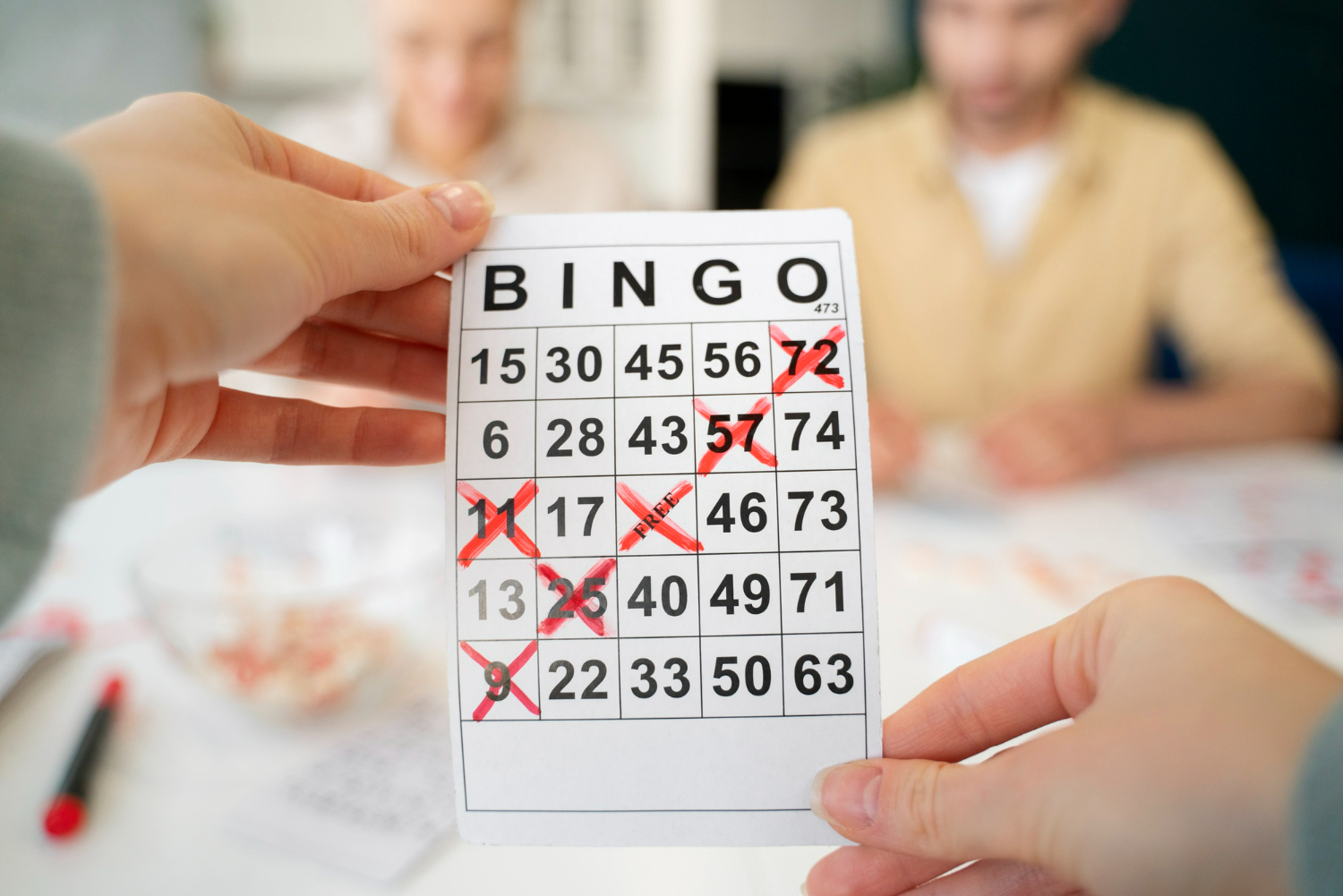
Bingo. The very word conjures images of jubilant shouts, dabbers clacking on paper cards, and rooms filled with anticipation. While many associate the game with community centers and retirement halls, the truth is that Bingo has evolved far beyond its humble stereotypes. Rooted in centuries-old traditions and constantly reinvented by new generations, Bingo has not only endured but flourished. Today, it stands as a powerful symbol of social connection, strategy, chance, and cultural nostalgia—all woven into a deceptively simple game.
A Brief History: From Italian Origins to Global Fame
The origins of Bingo trace back to 16th-century Italy. Known then as “Il Gioco del Lotto d’Italia,” it was a form of national lottery that laid the groundwork for modern-day number games. By the 18th century, the game had spread to France, where it became known as “Le Lotto,” often enjoyed by the aristocracy. Eventually, it made its way to Britain and the United States, morphing into the familiar version we know today.
Interestingly, the name “Bingo” itself has American roots. In the 1920s, a toy salesman named Edwin S. Lowe stumbled upon a carnival game called “Beano,” where players used beans to mark cards. Legend has it that in a fit of excitement, a player accidentally shouted “Bingo!”—and the name stuck.
The Mechanics: A Game of Chance and Sharp Ears
At first glance, Bingo appears elementary: players receive cards with random numbers, and a caller announces numbers drawn at random. The goal is to complete a specific pattern—often a straight line or a full card—before anyone else. Simple, right?
Yet the game demands a sharp ear and unwavering attention. A moment’s distraction can mean the difference between winning and missing out entirely. This blend of simplicity and urgency gives Bingo its enduring charm. It’s easy enough for anyone to learn, yet absorbing enough to keep players coming back.
Social Glue: Community and Connection
Perhaps one of Bingo’s most overlooked qualities is its role in fostering community. Whether in village halls, church basements, or online chat rooms, Bingo creates shared experiences. For many seniors, it’s more than just a pastime; it’s a vital lifeline to social interaction, routine, and joy.
In fact, numerous studies highlight the psychological benefits of Bingo. Regular play has been linked to improved mental agility, heightened concentration, and even better hand-eye coordination in older adults. It’s no exaggeration to say that Bingo isn’t just fun—it’s also cognitively enriching.
Reinvention in the Digital Age
The last two decades have witnessed a profound transformation in how Bingo is played. Once tethered to physical venues, Bingo now thrives in digital spaces. Online platforms offer countless variations—ranging from traditional 75-ball and 90-ball formats to themed rooms featuring everything from pop music to TV shows.
Some of the key innovations include:
-
Live-Hosted Online Games: These blend video streaming with real-time interaction, recreating the communal atmosphere of a physical hall.
-
Mobile Apps: Players can now enjoy Bingo on-the-go, with apps offering daily challenges, chat features, and in-game rewards.
-
Gamified Bingo: Incorporating leaderboards, avatars, and unlockable achievements, these versions appeal to younger demographics while retaining classic elements.
The appeal of online Bingo lies not only in convenience but in its ability to foster global communities. Players from different continents can now connect over a shared love for the game, transforming Bingo into a truly borderless experience.
Cultural Resonance: More Than Just a Game
Bingo holds a unique place in the cultural imagination. It features in literature, film, and even fashion. Its rhythmic callouts—“two little ducks, twenty-two!”—have become iconic. Moreover, Bingo nights have found their way into fundraisers, parties, and corporate events, often used to break the ice or raise money for good causes.
In recent years, themed Bingo events have surged in popularity. From drag queen Bingo nights to music-themed rounds where numbers are replaced by song clips, the game has shown its incredible versatility. This ability to adapt while preserving its core mechanics is part of what keeps Bingo relevant and engaging across generations.
The Strategic Side: Not Just Luck
While chance is a major component of Bingo, there is strategy involved—particularly when playing multiple cards. Experienced players often develop techniques to track patterns, maximize coverage, and minimize distractions. Choosing cards with a balanced distribution of numbers or varying one’s seating position in live games (to hear the caller better) are subtle strategies that seasoned players employ.
Furthermore, savvy online players analyze odds, select games with lower participation (to increase chances of winning), and manage their bankrolls much like seasoned poker players. It’s this blend of casual fun and subtle depth that appeals to both novices and veterans alike.
Conclusion: A Classic Continually Reborn
Bingo’s journey from Renaissance Italy to 21st-century mobile screens is nothing short of remarkable. Far from being a relic of the past, it is a living, breathing tradition that has successfully adapted to the pace and preferences of modern life. Its enduring popularity speaks volumes: in a world overflowing with complex digital entertainment, Bingo reminds us that sometimes, the simplest games offer the deepest satisfaction.
Whether you’re a first-time player or a seasoned enthusiast, there’s something inherently joyful about hearing that final number called and shouting “Bingo!”—a single word that captures centuries of history, a moment of triumph, and a whole world of connection.

Comments are closed.