

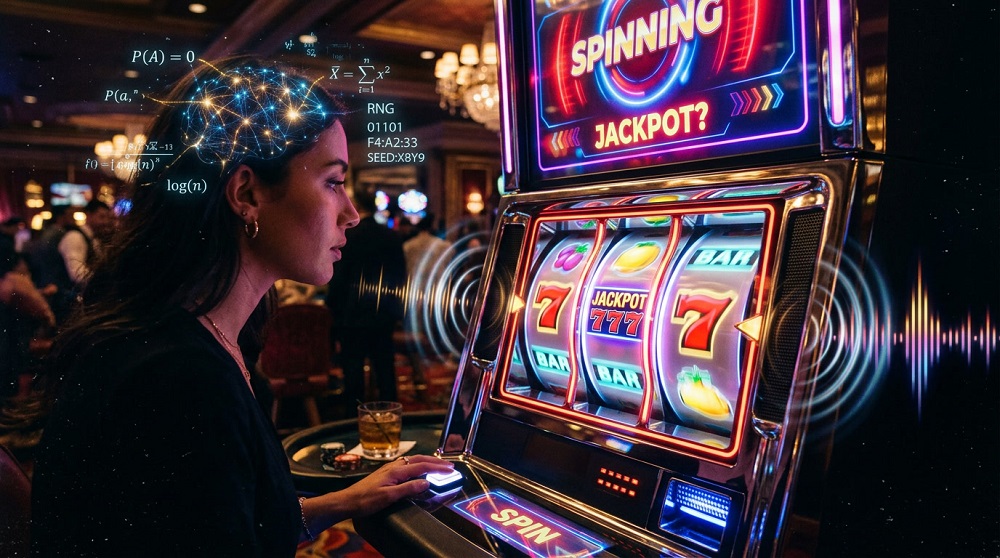
Slot machines have dominated casino floors and digital gaming platforms for decades, consistently serving as the primary revenue driver for the gambling industry. While the core mechanic of a slot machine—spinning reels to match symbols—is simple, building a game that captures attention and retains players over many years requires a complex blend of psychology, sound engineering, game design, and mathematical precision.
Modern slot developers do not rely on sheer luck to create a hit title. Instead, they engineer experiences that trigger specific cognitive responses, balance risk and reward, and foster a sense of continuous progression. From structural volatility mechanics to immersive audiovisual feedback, understanding how developers craft these games reveals why certain titles become timeless classics while others fade quickly from view.
The Mathematical Engine: Volatility, RTP, and Hit Frequency
At the heart of every slot machine is its mathematical framework, governed by a Random Number Generator. While visual themes draw players in initially, the underlying math dictates how a game feels over an extended session. Developers spend months fine-tuning three core mathematical parameters to cultivate lasting appeal.
-
Return to Player: The theoretical percentage of all wagered money that a slot machine pays back to players over time. A balanced Return to Player ensures the game feels fair while maintaining the necessary house edge.
-
Hit Frequency: The statistical likelihood of landing a winning combination on any given spin. High hit frequency games yield frequent small wins, keeping players engaged, whereas low hit frequency games deliver longer dry spells punctuated by larger payouts.
-
Volatility and Variance: Volatility measures the risk level inherent in a game. Low-volatility slots provide steady, modest payouts suitable for casual players seeking extended playtime. High-volatility slots cater to risk-tolerant players chasing substantial, infrequent jackpot payouts.
By offering distinct mathematical profiles across their portfolios, developers ensure there is a game tailored to every type of player preference, from risk-averse leisure spinners to high-stakes jackpot seekers.
Psychological Triggers and Cognitive Engagement
Slot development relies heavily on behavioral psychology to sustain interest. Developers design game mechanics that interact directly with the brain’s reward centers, releasing dopamine through specific environmental cues and structural outcomes.
The Power of Near Misses
A near miss occurs when a winning combination almost lands—for instance, landing two scatter symbols needed for a major bonus round while the third lands just one stop off the active payline. Brain imaging studies show that near misses activate the same neural reward pathways as actual wins. Developers carefully calibrate symbol distributions to produce near misses frequently enough to build anticipation without creating frustration.
Losses Disguised as Wins
Modern multi-payline slots frequently feature losses disguised as wins. This occurs when a player wagers two dollars on a spin and receives a payout of fifty cents. Although the net result is a loss of one dollar and fifty cents, the machine celebrates the event with upbeat audio cues, flashing lights, and victory animations. The brain interprets the sensory feedback as a positive outcome, softening the psychological impact of bankroll depletion and sustaining momentum.
The Perception of Control
Human beings naturally seek agency. Developers incorporate features that give players a feeling of control over fundamentally random outcomes. Buttons that allow players to manually stop spinning reels, choices presented during interactive pick-and-win bonus games, and skill-influenced mini-games do not alter the underlying random odds, but they heighten personal investment by making players feel directly responsible for the outcome.
Audiovisual Design and Sensory Feedback
The visual and auditory landscape of a slot machine is engineered to create an immersive environment that shields players from external distractions. Every sound effect, color scheme, and animation serves a deliberate purpose.
-
Auditory Cueing: Audio design plays a vital role in reinforcement. High-frequency tones and ascending musical scales signify success, while rhythmic background tracks maintain a steady pulse that keeps session momentum flowing. Crucially, modern machines rarely use low, somber sounds during losing spins; instead, losing spins are accompanied by silence or ongoing atmospheric music.
-
Visual Hierarchy and Color Theory: Warm colors like red, gold, and orange are used strategically to highlight high-value symbols and call-to-action buttons, exciting the viewer. Rich visual animations upon landing major combinations create a rewarding spectacle that turns a financial win into a memorable event.
-
Hardware Ergonomics: For physical casino cabinets, developers design curved displays, high-definition touchscreens, directional sound chairs, and tactile spin buttons to maximize physical comfort during extended play sessions.
Innovative Bonus Mechanics and Feature Evolution
To prevent gameplay from feeling repetitive, developers continually invent new bonus structures that interrupt the standard reel-spinning loop. These features serve as the primary narrative goals for players during a session.
The Progression Engine
Holding a player’s attention over multiple sessions requires long-term goals. Many modern slots incorporate collection mechanics, where landing specific items fills an on-screen meter over time. Unlocking new levels, expanding reel grids, or accumulating persistent wild symbols gives players a tangible sense of accomplishment, encouraging them to keep spinning to trigger the complete bonus feature.
Popular Feature Frameworks
-
Free Spins with Multipliers: The classic bonus format where players receive a set number of spins without deducting funds from their balance, often accompanied by expanding multipliers that escalate payout potential.
-
Hold and Win Mechanics: A popularized feature where special cash-value symbols lock in place while the rest of the reels respin. Resetting the respin counter every time a new symbol lands creates intense micro-suspense.
-
Megaways and Expanding Paylines: Dynamic reel engines that alter the number of visible symbols on every spin, changing the available ways to win from dozens to hundreds of thousands in an instant.
Brand Partnerships and Nostalgia Marketing
Leveraging familiar intellectual property is one of the most effective strategies developers use to capture immediate market attention. Licensed slots based on blockbuster movies, iconic musicians, popular television series, or classic board games come with built-in brand recognition.
When players see a familiar franchise on a casino floor or online lobby, a foundation of trust and emotional attachment already exists. Developers integrate original voice tracks, cinematic video clips, and thematic soundtrack elements into the gameplay, transforming the slot machine into an interactive tribute to the source material. Nostalgia serves as a powerful hook that converts casual fans into active players.
Adapting to Evolving Player Demographics
Creating lasting appeal requires developers to adapt continually to shifting consumer habits. Younger generations of players who grew up with mobile devices and video games demand higher levels of interactivity, faster pacing, and polished graphical performance.
Developers meet these expectations by adopting mobile-first responsive coding, streamlining user interfaces for touch screens, and introducing hybrid games that mix social gaming mechanics with real-money wagering. By balancing classic luck-based mechanics with modern interactive design, developers ensure slot games remain relevant, engaging, and appealing across generations.
Frequently Asked Questions
What is the difference between slot machine variance and Return to Player?
Return to Player is the theoretical overall percentage of wagered money a game pays back over millions of spins. Variance, or volatility, refers to how that payout is distributed. A high-variance game pays out infrequently but in larger amounts, while a low-variance game pays out smaller amounts more frequently, even if both games have the exact same Return to Player percentage.
How do slot developers ensure their games are truly random and fair?
Developers use audited Random Number Generators, which are complex algorithms that continuously generate unpredictable number sequences. Independent third-party testing laboratories rigorously evaluate these algorithms over millions of simulated spins to certify that outcomes are statistically random and untampered with before the game goes to market.
Why do many slot machines use multi-line payline systems instead of traditional single paylines?
Multi-line systems allow developers to increase hit frequency significantly. By offering dozens or hundreds of potential winning paths across the reels, players experience more frequent payouts, which maintains high engagement and allows for psychological mechanics like losses disguised as wins.
What role does sound play in making a slot machine memorable?
Sound provides immediate positive reinforcement for winning events. Upbeat tunes, ascending musical notes, and signature audio effects trigger emotional responses and reinforce positive memories associated with payouts, making the overall experience far more engaging than silent or plain audio environments.
Why are cascade or tumbling reel mechanics so popular in modern slots?
Cascade mechanics remove winning symbols from the screen and allow new symbols to fall into the vacant spaces within the same paid spin. This creates the possibility of chain-reaction wins from a single wager, adding extra value, prolonged visual action, and heightened excitement to every spin.
How do developers prevent players from getting bored during long losing streaks?
Developers utilize small frequent wins, engaging visual animations, near-miss symbol placements, building progress meters, and dynamic background changes to maintain visual and emotional interest, ensuring the experience remains engaging even when major payouts have not yet occurred.
What is the purpose of the buy feature option found in many online slots?
The feature buy option allows players to pay a set multiple of their base wager to skip the main game entirely and trigger the primary bonus round immediately. It appeals to players who prefer high-intensity gameplay and want direct access to the game’s highest payout mechanics without waiting for a natural trigger.

Comments are closed.