

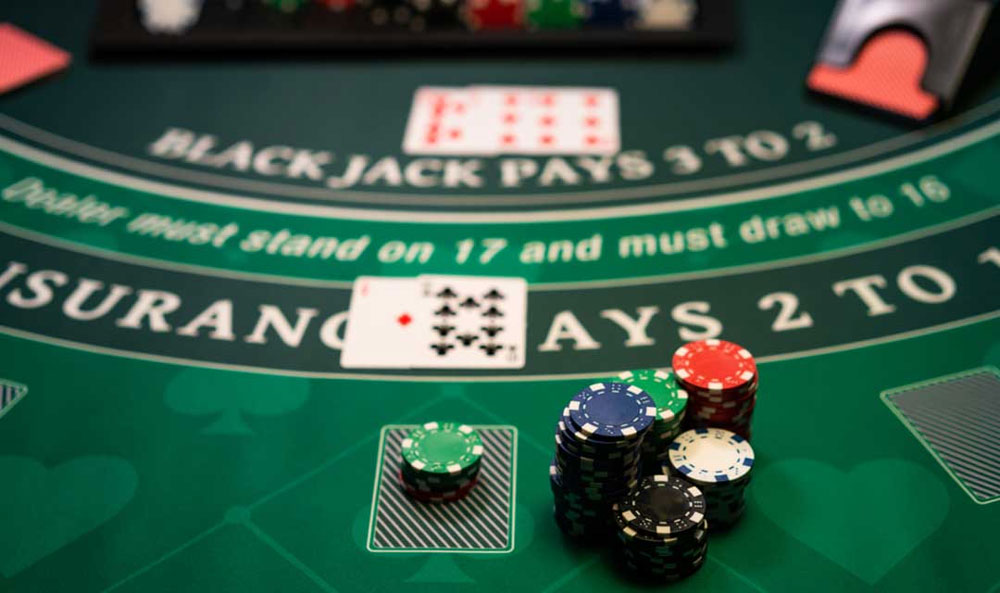
Digital blackjack has become one of the most accessible forms of online entertainment. However, transition from physical tables to digital interfaces shifts how trust is established. On a physical casino floor, players can observe a dealer shuffling cards, cutting the deck, and placing cards into a shoe. Online, that physical visibility is replaced by software algorithms, automated continuous shufflers, and remote streaming infrastructure.
To build genuine credibility and protect consumers, legitimate online blackjack platforms must adhere to rigorous technical, regulatory, and operational standards. A trustworthy operator does not simply ask players to trust their software. They deploy verifiable technologies, undergo independent technical audits, and provide full transparency regarding game rules and payouts.
Certified Random Number Generators and Technical Audits
At the core of every software-based blackjack game is a Random Number Generator. This mathematical algorithm determines which card is drawn next from the virtual deck. Without strict external validation, an algorithm could easily be calibrated to favor the house beyond standard rule thresholds.
-
Statistical Unpredictability: A certified algorithm must produce card sequences that pass rigorous statistical tests for randomness, such as the Diehard tests or NIST randomness suites. Results must show zero bias toward specific cards, suits, or values.
-
Third-Party Testing Labs: Independent accredited testing laboratories, such as Gaming Laboratories International or eCOGRA, must evaluate and certify the software. These laboratories conduct millions of simulated hands to confirm that outcomes match theoretical mathematical expectations.
-
Regular Certificate Renewal: Auditing is not a one-time event. Platforms should display publicly accessible certificates that are updated periodically to prove the software has not been altered since its initial certification.
Mathematical Transparency and Rule Declarations
Blackjack is unique among casino games because the house edge fluctuates significantly based on the specific rule set offered by the table. A fair platform clearly posts the exact mathematical parameters and rules for every variant before a player places a bet.
Mandatory Table Rule Disclosures
A platform should explicitly display key game variables within the table interface.
-
Payout Ratios for Natural Blackjack: The standard, fair payout for a natural blackjack is three to two. Platforms that offer a six to five payout increase the house edge by over one percent, which significantly impacts long-term player returns.
-
Dealer Draw Rules: Tables must clearly state whether the dealer stands on soft seventeen or hits on soft seventeen. Dealer hits on soft seventeen give the house an additional edge.
-
Splitting and Doubling Restrictions: Clear guidelines must state whether players can double down after splitting pairs, how many times pairs can be resplit, and whether split aces receive only one card.
-
Surrender Availability: The platform should clarify if late or early surrender options are permitted, as these rules directly alter optimal basic strategy.
Displaying Return to Player Percentages
Reputable platforms publish the theoretical Return to Player percentage alongside the actual historical payout data recorded over specified timeframes. Discrepancies between theoretical figures and actual historical payouts indicate potential software flaws or improper configurations.
Provably Fair Cryptographic Verification
In response to growing demand for absolute transparency, modern digital casinos are increasingly implementing provably fair cryptographic technology. Originating in blockchain architecture, provably fair systems allow players to manually verify that the outcome of a hand was predetermined and untampered with.
How Provably Fair Blackjack Works
-
Server Seed Generation: Before a hand begins, the platform server generates a random seed containing the shuffled order of the deck. The platform provides the player with an encrypted, hashed version of this seed.
-
Client Seed Contribution: The player’s browser or device supplies a secondary seed, introducing an external variable that the operator cannot predict or control prior to the deal.
-
Post-Hand Verification: Once the hand is completed, the operator reveals the unhashed server seed. The player can input both seeds into a cryptographic verifier to confirm that the deck sequence was established before bets were placed and remained untouched throughout play.
Live Dealer Integrity and Technical Safeguards
Live dealer blackjack bridges the gap between physical casinos and digital access by streaming human dealers in real time. Maintaining fairness in live dealer environments requires a combination of physical security, optical recognition technology, and oversight.
-
Optical Character Recognition Auditing: Cameras capture physical card values as they pass over optical sensors embedded in the table. The digital system matches these physical reads against the interface display instantly, eliminating human error or data manipulation.
-
Clear Deck Shuffling Procedures: Live studios must follow strict shuffling protocols. Whether utilizing manual shufflers or physical continuous shuffling machines, the deck handling must occur fully within camera view without obstruction.
-
Physical Deck Seals and Storage: Physical decks must be inspected, stored in tamper-evident containers, and regularly replaced to prevent physical card wear that could lead to card marking.
Operational Regulatory Compliance and Player Protection
Fairness extends beyond card mechanics into how a platform manages player funds, personal data, and operational practices.
Licensing and Jurisdiction Oversight
A fair platform operates under a recognized, stringent gambling regulatory authority. Jurisdictions mandate that operators keep player funds segregated from operational accounts in tier-one financial institutions. This safeguards user balances in the event of platform insolvency.
Account Security and Dispute Resolution
Robust platforms provide clear, accessible dispute resolution procedures. If a technical glitch or disconnection occurs mid-hand, the system must either restore the exact game state upon reconnection or cancel the hand and refund the original wager. Additionally, fair platforms offer transparent self-exclusion, deposit cap tools, and easy access to transaction histories so users can monitor their personal activity accurately.
Frequently Asked Questions
What is the standard house edge in a fair online blackjack game?
Under standard rules paying three to two for a natural blackjack, where the dealer stands on soft seventeen, the house edge is approximately zero point five percent when a player utilizes optimal basic strategy. Games with non-standard rules can push the house edge above one point five percent.
How can I verify if an online casino algorithm is truly random?
Look for a valid seal or certificate link at the bottom of the platform website from recognized third-party auditing firms like Gaming Laboratories International or eCOGRA. Clicking these seals should navigate to an official verification page detailing the scope and validity of the testing.
What is the difference between six to five and three to two blackjack payouts?
A three to two payout pays three dollars for every two dollars wagered on a natural blackjack, while a six to five payout pays six dollars for every five dollars wagered. On a twenty-five dollar wager, a three to two table pays thirty-seven dollars and fifty cents, whereas a six to five table pays only thirty dollars.
Can online blackjack platforms manipulate the deck based on my bet size?
Certified online platforms using audited algorithms cannot alter outcomes based on bet sizes. Regulated operators use algorithms that generate card sequences independently of player inputs, wager sizes, or historical win-loss records.
What happens if my internet disconnects during a live dealer blackjack hand?
Regulated platforms implement automatic fallback policies. If a disconnection occurs after you have made your decision, the hand plays out according to basic strategy rules or holds the state until you log back in, ensuring your placed funds are not automatically forfeited.
Why do some online blackjack games use continuous shuffling machines?
Continuous shuffling machines mix used cards back into the shoe continuously after every round. Operators use them to accelerate gameplay and prevent card counting, though the mathematical house edge remains functionally identical to a standard multi-deck shoe reset manually.
What makes provably fair blackjack different from standard digital blackjack?
Standard digital blackjack relies on blind trust in third-party software audits. Provably fair blackjack utilizes cryptographic hashing, allowing individual players to verify the mathematical validity and predetermined card sequence of every single hand independently.

Comments are closed.