

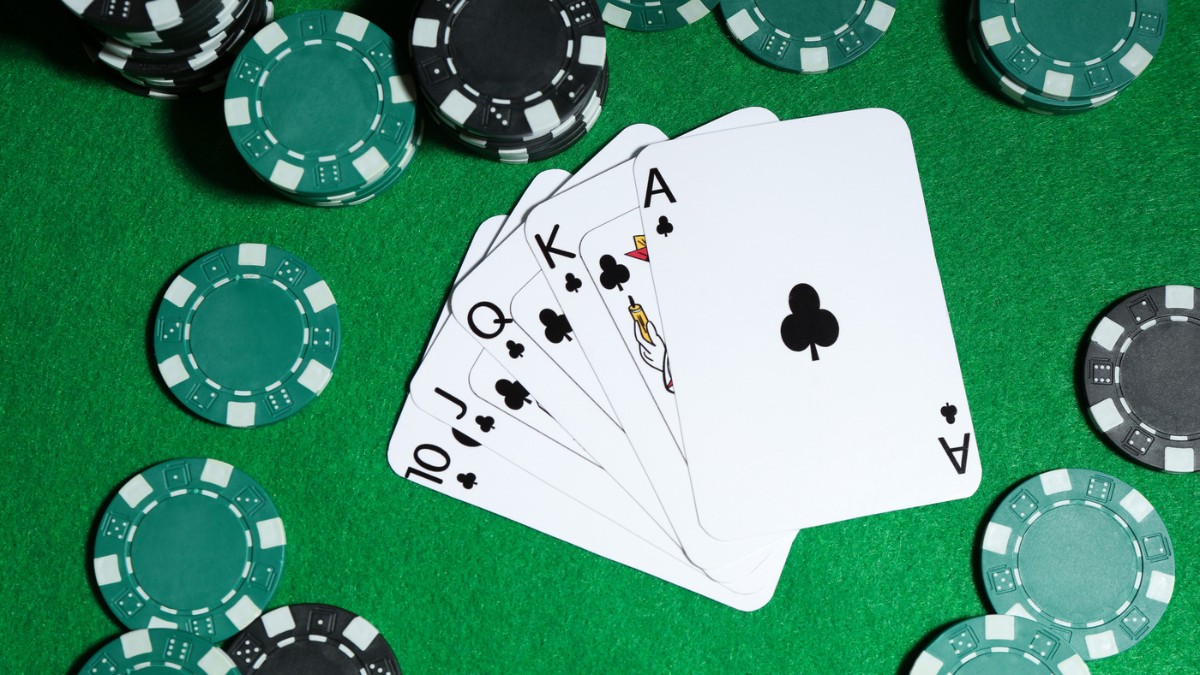
Introduction: The Quintessential Casino Card Game
Among the myriad games played under the glimmering lights of a casino floor, blackjack holds a unique place of prestige and popularity. Elegant in its simplicity yet endlessly complex in its nuances, blackjack—also known as 21—has attracted both casual players and seasoned strategists for decades. It combines the thrill of chance with a dash of skill, offering players an interactive and fast-paced experience unlike any other. Whether played in a Las Vegas resort or via an online platform, blackjack remains one of the most captivating and enduring games in the world of gambling.
A Brief History: From French Tables to Global Fame
The origins of blackjack are thought to trace back to 18th-century France, where a game called “Vingt-et-Un” (Twenty-One) was popular among the nobility. This early version shared many of the same rules as the modern game, particularly the goal of reaching a card total of 21 without exceeding it. As the game spread to North America, it evolved into the version we now know as blackjack. The name itself came from an early promotional payout offered to players who received a jack of spades and an ace of spades—a “blackjack.”
Today, blackjack is played in virtually every casino across the globe and is a staple of online gaming platforms. Its longevity can be attributed to its approachable rules, quick gameplay, and the intriguing balance it strikes between luck and decision-making.
How Blackjack Works: Rules and Flow
The objective in blackjack is straightforward—beat the dealer without going over 21. Each player is dealt two cards, and the dealer receives one card face-up and one face-down. Players must then decide whether to “hit” (take another card), “stand” (keep their current hand), “double down” (double their bet and take one more card), or “split” (if dealt a pair, divide them into two separate hands). Once all players have made their decisions, the dealer reveals their hand and draws according to fixed rules, typically hitting until they reach at least 17.
Card Values:
-
Number cards count as their face value
-
Face cards (Jack, Queen, King) are worth 10 points
-
Aces can be worth either 1 or 11, depending on which is more favorable to the hand
Victory is achieved in a few ways—getting a higher total than the dealer without busting, the dealer busting by exceeding 21, or receiving a natural blackjack (an ace plus a 10-value card) on the initial deal.
Strategy and Skill: A Thinking Person’s Game
Unlike games of pure luck, blackjack offers a strategic edge to those willing to learn and apply statistical probabilities. By using basic strategy—a mathematically derived guide on when to hit, stand, double, or split—players can significantly reduce the house edge, sometimes to less than 1%.
Fundamental Strategy Tips:
-
Always stand on a hard 17 or higher
-
Always hit on 11 or less
-
Double down on 10 or 11 when the dealer shows a lower card
-
Split aces and eights, but never split tens or fives
-
Avoid taking insurance, as it statistically favors the house
These principles are based on exhaustive analysis of all possible card combinations and outcomes. Many players carry small strategy cards, which are often allowed even in live casino environments.
Card Counting: Myth, Legend, and Reality
Perhaps no topic in blackjack is more romanticized or misunderstood than card counting. Popularized in books and films, card counting is a legal but frowned-upon technique where players track the ratio of high to low cards remaining in the deck. When the deck is “rich” in high cards—aces and tens—players increase their bets to capitalize on better odds.
Notable Facts About Card Counting:
-
It requires intense focus and practice
-
Works best in games with fewer decks and consistent rules
-
Casinos counter it with measures like automatic shufflers and frequent deck reshuffles
-
While not illegal, suspected counters can be asked to leave or barred from play
While alluring in theory, card counting is far from foolproof. In modern casinos with multiple decks and surveillance systems, its effectiveness is greatly diminished. Still, for the mathematically inclined and disciplined player, it remains a tantalizing challenge.
Online Blackjack: Classic Game Meets Modern Convenience
With the rise of online gambling, blackjack has found a new home in the digital sphere. Online platforms offer a wide variety of formats, from standard tables to high-stakes VIP rooms and even live-dealer games that simulate the real casino experience.
Advantages of Online Blackjack:
-
Accessibility from anywhere at any time
-
A wide range of betting limits and game variants
-
Practice modes and digital strategy guides
-
Bonuses and loyalty rewards for regular players
Yet, online play also lacks certain sensory and psychological aspects of live blackjack—the camaraderie, the dealer’s expressions, the sound of chips stacking. Nonetheless, it offers an ideal environment for learning and honing one’s skills.
Responsible Gaming: Play with Purpose
As with any form of gambling, it is crucial to approach blackjack with discipline and awareness. The excitement of the game can quickly turn detrimental without a strong sense of personal boundaries.
Responsible Gaming Guidelines:
-
Set a clear budget before you begin
-
Never chase losses or bet emotionally
-
Take regular breaks, especially after a long session
-
Remember that blackjack should be fun, not a financial solution
Most casinos, both online and in person, offer tools and support to help players manage their gaming habits. These include deposit limits, self-exclusion programs, and access to counseling resources.
Cultural Impact: Blackjack in Media and Myth
Blackjack’s cultural footprint is substantial. From the infamous MIT Blackjack Team that inspired books and movies like 21, to countless scenes in classic films depicting high-stakes drama at the blackjack table, the game has become a symbol of intellect, luck, and boldness.
In literature and film, blackjack often serves as a metaphor for calculated risk, the human desire to beat the odds, and the blurred line between genius and recklessness. It’s no coincidence that protagonists drawn to the game are often portrayed as mavericks or masterminds.
Conclusion: The Enduring Appeal of a Timeless Game
Blackjack is a rare gem in the gaming world—a perfect blend of simplicity, suspense, and strategy. It invites both beginners and experts to the table, offering the thrill of risk alongside the satisfaction of making calculated decisions. Its rules are easy to grasp, yet its mastery can take years. Whether played for leisure or studied as a craft, blackjack continues to captivate and reward those who engage with it wisely.
In a world of ever-changing entertainment trends, blackjack remains refreshingly constant. The shuffle of the deck, the tension of the dealer’s reveal, the quiet thrill of hitting 21—it all adds up to a game that transcends its setting, appealing to the strategist and the dreamer alike.

Comments are closed.