
Blackjack: The Art, Strategy, and Allure Behind the World’s Most Sophisticated Card Game

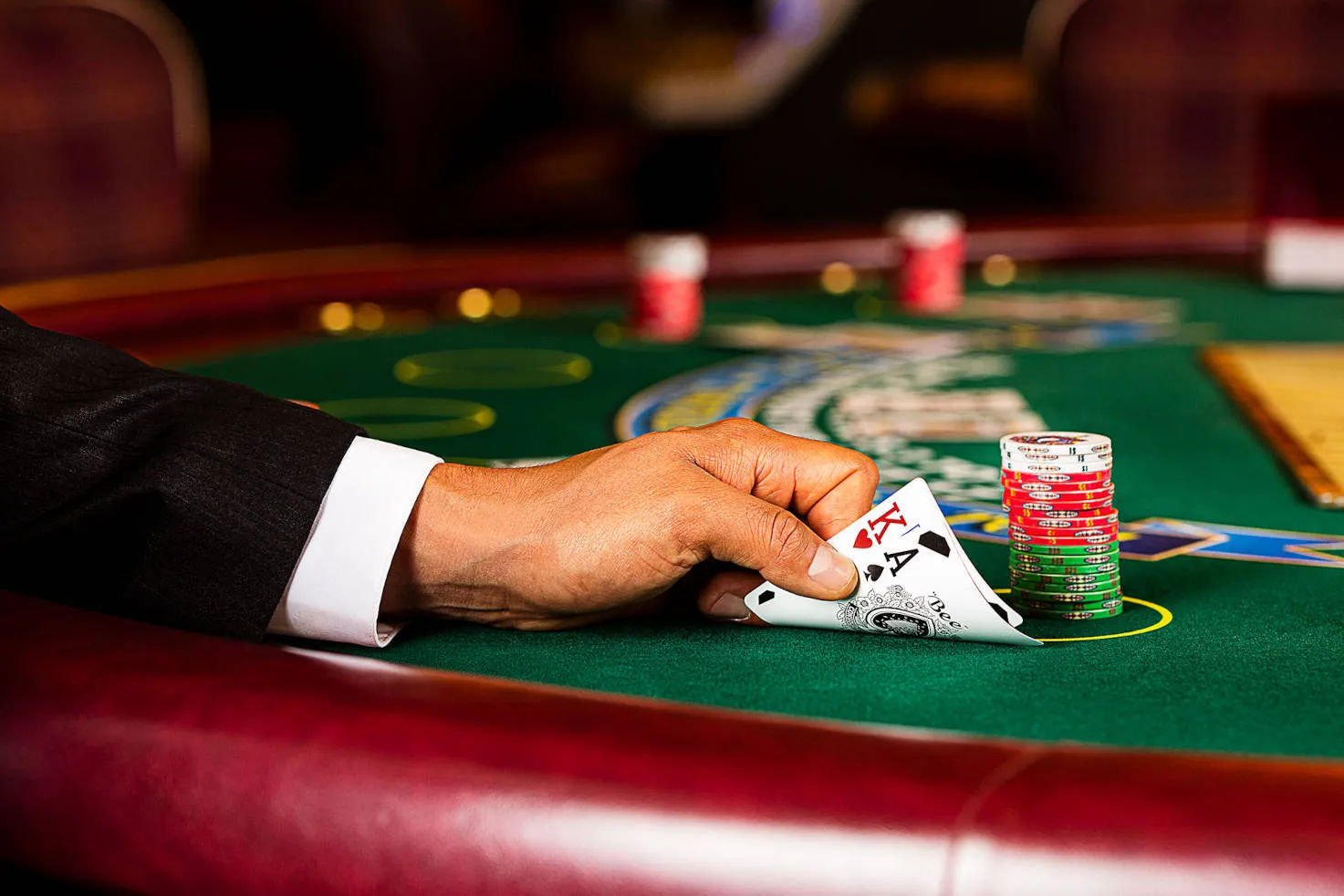
Introduction: More Than Just 21
Among the constellation of casino games that light up gaming floors and online platforms alike, Blackjack stands apart. Its rules are elegantly simple, its pace brisk, and its blend of chance and skill uniquely captivating. But Blackjack is far more than a quest to hit twenty-one. It’s a psychological dance between player and dealer, a game of memory, calculation, and restraint. Unlike many casino games that rely solely on luck, Blackjack offers players a genuine chance to influence the outcome—if they know how to play it well.
A Rich History Rooted in European Elegance
Blackjack’s lineage can be traced back to 17th-century Europe. Most scholars agree its earliest incarnation was a game known as “Vingt-et-Un” (Twenty-One), which gained popularity in French gambling houses during the reign of Louis XV. Though similar games existed in Spain and Italy, it was the French variant that provided the foundation for what would become modern Blackjack.
When the game crossed the Atlantic, American casinos added an enticing bonus to attract players: a payout for a hand containing the ace of spades and a black jack (either the jack of clubs or spades). The name “Blackjack” stuck, long after the bonus was abandoned. Its mystique, however, only grew.
The Objective: Simple Yet Subtle
At its core, Blackjack challenges the player to beat the dealer by getting a hand as close to 21 as possible—without going over. Each card is worth its face value, with face cards counting as ten and aces serving as either one or eleven, depending on which value benefits the hand more.
What makes Blackjack uniquely appealing is the tension in its simplicity. Every decision—hit, stand, double down, split—feels consequential, even with a modest bet on the line. The thin margin for error, combined with the immediacy of the gameplay, demands both instinct and intellect.
Understanding the Table: Anatomy of a Round
A typical round of Blackjack involves the following steps:
-
Initial Deal: Each player receives two cards, face up. The dealer receives one card face up and one face down (the “hole card”).
-
Player Decisions: Based on the total, the player decides to “hit” (draw another card), “stand” (keep current hand), “double down” (double the bet and receive one more card), or “split” (if holding two cards of the same value).
-
Dealer Play: The dealer reveals the hole card and must hit until the total is 17 or higher.
-
Result: If the player’s hand is closer to 21 than the dealer’s, or if the dealer busts, the player wins. If not, the house takes the pot.
This simple framework leaves just enough room for strategy, psychology, and risk.
Strategy: Where Skill Meets Chance
Contrary to common belief, Blackjack is not solely a game of luck. Through the use of basic strategy, players can significantly reduce the house edge. This strategy involves understanding the statistically optimal play for every possible hand combination, based on the dealer’s upcard.
For example:
-
Always hit a hand of 8 or less
-
Stand on 12 if the dealer shows a 4, 5, or 6
-
Double down on 11 against any dealer card except an ace
While memorizing charts can be daunting, frequent players often internalize these strategies, transforming them into muscle memory.
Card Counting: The Myth and the Math
No conversation about Blackjack is complete without mentioning card counting. Made famous by books and films, card counting is a legal, though controversial, method of tracking the ratio of high to low cards left in the deck. When there are more high cards remaining (tens and aces), the odds shift in favor of the player.
Though effective, modern casinos are adept at mitigating card counting by:
-
Using multiple decks
-
Shuffling frequently
-
Installing surveillance systems
-
Removing suspected counters from the premises
Despite the glamorized portrayals, successful card counting requires intense concentration, composure under pressure, and impeccable mental arithmetic—not to mention a team or camouflage to remain unnoticed.
The Psychology of Blackjack
Blackjack is not just a battle of numbers—it’s also a test of temperament. Emotional discipline is perhaps the most underrated skill a player can possess. A player rattled by a bad beat may deviate from strategy, increasing bets irrationally or making reckless decisions. The ability to remain calm and consistent, especially during downswings, often separates seasoned players from casual enthusiasts.
Moreover, understanding the psychology of the dealer can be beneficial. Unlike players, the dealer follows strict rules, making them more predictable. Savvy players use this knowledge to shape their own moves, playing against the dealer’s tendencies rather than the allure of hitting 21.
Variations and Modern Adaptations
Blackjack’s adaptability has helped preserve its popularity. Over time, a number of compelling variations have emerged:
-
Spanish 21: Removes all tens from the deck but offers liberal player-friendly rules
-
Pontoon: A British variant with slightly different terminology and payout structure
-
Progressive Blackjack: Offers side bets with a chance at a jackpot
Online casinos have also given rise to live dealer Blackjack, hybrid RNG formats, and even multiplayer tournaments—further proof of Blackjack’s enduring appeal in the digital age.
Etiquette and the Unspoken Code
Though Blackjack is simple to learn, the table comes with its own culture and etiquette. Respecting the dealer, refraining from touching your chips after cards are dealt, and avoiding unsolicited advice are all part of maintaining the integrity of the game. Politeness, patience, and an air of quiet confidence often go further than bravado and boastfulness.
Conclusion: A Game for the Decisive Mind
Blackjack is, at its heart, a game of precision and poise. It blends mathematics with psychology, chance with skill, simplicity with strategy. Unlike many games of pure luck, it rewards the thoughtful player—someone who respects the rhythm of the cards and plays not with emotion, but with reason.
For those who appreciate games that challenge both intellect and instinct, Blackjack is not merely a pastime—it is a craft. Whether played under the golden chandeliers of Monte Carlo or from the soft glow of a smartphone screen, the game continues to enchant, reward, and reveal character, one hand at a time.

Comments are closed.